Advance Publication
Accepted: November 15, 2024
Published online: November 25 2025
Contents>> Vol. 14, No. 3
Peatland Management and Restoration in Central Kalimantan and Riau: The Role of Local Community Participation
Herman Hidayat, 1 Gregory Acciaioli, 2 Robert Siburian, 3 Dicky Rachmawan, 4 TB Massa Djafar, 5 Laely Nurhidayah, 6 Kozan Osamu, 7 and Dwiyanti Kusumaningrum8
1Research Center for Society and Culture, Badan Riset dan Inovasi Nasional Republik Indonesia, Jakarta Selatan, DKI Jakarta, Indonesia
Corresponding author’s e-mail: hermanhidayat246[at]gmail.com
 https://orcid.org/0000-0003-4648-4138
2 2 School of Social Sciences, The University of Western Australia, Perth, Western Australia, Australia
e-mail: gregory.acciaioli[at]uwa.edu.au
https://orcid.org/0000-0002-4070-5545
3 3 Badan Riset dan Inovasi Nasional Republik Indonesia Pusat Riset Masyarakat dan Budaya, Jakarta Selatan, DKI Jakarta, Indonesia
e-mail: robertsdes1970[at]gmail.com
https://orcid.org/0000-0001-6087-4699
4 4 Graduate School of Bioresources and Bioenvironmental Science, Faculty of Agriculture, Kyushu University, 744 Motooka, Nishi-ku, Fukuoka 819-0395, Japan; Research Center for Society and Culture, Badan Riset dan Inovasi Nasional Republik Indonesia, Jakarta Selatan, DKI Jakarta, Indonesia
e-mail: dickybrin[at]gmail.com
https://orcid.org/0000-0001-8808-8550
5 Political Science, Universitas Nasional, South Jakarta, DKI Jakarta, Indonesia
e-mail: tb.djafar[at]civitas.unas.ac.id
https://orcid.org/0000-0002-8794-0606
6 Research Center for Law, Badan Riset dan Inovasi Nasional Republik Indonesia, Jakarta Pusat, DKI Jakarta, Indonesia
e-mail: lae_ly[at]yahoo.com
https://orcid.org/0000-0002-9903-0239
7 甲山 治, Center for Southeast Asian Studies, Kyoto University, 46 Shimoadachi-cho, Yoshida, Sakyo-ku, Kyoto 606-8501, Japan
e-mail: kozan[at]cseas.kyoto-u.ac.jp
https://orcid.org/0000-0001-6487-7993
8 Research Center for Population, Badan Riset dan Inovasi Nasional Republik Indonesia, Jakarta Pusat, DKI Jakarta, Indonesia
e-mail: dwiy005[at]brin.go.id
https://orcid.org/0000-0001-8150-6596
DOI: 10.20495/seas.25009
Browse “Advance online publication” version
Over the years peatlands in Indonesia have suffered considerable damage, becoming vulnerable to hazards such as fires. The destruction of peatland is due to both legal and illegal logging, along with land conversion for agriculture, mining, and industrial forestry—including the planting of oil palm, paddy rice, and Industrial Forest Plantations (Hutan Tanaman Industri)—all of which lead to forest fires, deforestation, and forest degradation. This article addresses two points: first, the contributions of private companies to forest fires; and second, how local people in Riau and Central Kalimantan Provinces actively participate in sustainable peat swamp forest management and restoration. Building on various participation approaches as a theoretical framework for the analysis of peatland management and restoration, this study uses both political ecology, which emphasizes the roles of stakeholders (government, private companies, nongovernmental organizations, academics, local people), and the actor-oriented approach to development. The findings of the study indicate that the private sector contributes significantly to the deterioration of peatlands in Indonesia. Conversely, government policy plays a crucial role in driving and supporting restoration efforts according to the 3R (rewetting, revegetation, and revitalization) model. Furthermore, a key finding across all research locations is the significant role played by village-level actors, such as the village head, who can draw on various types of capital in shaping the effectiveness of peat restoration programs. Actors at the village level are not necessarily homogeneous; there is a complex mix of actors with unique contexts and interaction dynamics in each research location.
Keywords: peatland, restoration, participation, private company, local people
1 Introduction
Tropical peatlands around the world are important ecosystems, covering around 40 million hectares and storing around 17–19 percent of the world’s carbon (Sakuntaladewi et al. 2021; Ulya et al. 2021). However, they are being degraded in many regions as a result of land clearance, drainage, fire, and climate change (Parish et al. 2008; Merten et al. 2021; Atkinson and Alibašić 2023). About 21 million hectares, or 10.8 percent, of Indonesia’s land area is registered as peatland, which places Indonesia as the country with the fourth largest expanse of peatland (Mujiono 2017). Peatland serves various strategic ecosystem purposes for Indonesia and globally, including the maintenance of biodiversity, carbon storage, and water regulation (Sakuntaladewi et al. 2022; Yeny et al. 2022). Such roles provide the rationale for efforts to save the peatland ecosystem. Peatland management must be based on prudence and careful planning, as peatland is difficult and costly to restore if damaged (Hidayat 2016).
Peatland’s vulnerability to fire results in emissions that contribute to global environmental problems (Cisneros et al. 2021; Numata et al. 2022; Erwiningsih 2023; Mutawalli et al. 2023). Indeed, in Indonesia there has been a significant amount of conversion of peat areas for the establishment of monoculture crops or plantations, such as oil palm plantations, which has resulted in a significant increase in the frequency of fires (Dohong 2016; Prastyaningsih et al. 2019; Winarno et al. 2020; Arifin and Setyawan 2022; Rozaki et al. 2022; Hidayat et al. 2023; Ramdani and Mustalahti 2023). The impact of Indonesia’s fires and resultant thick smoke was felt in neighboring countries such as Malaysia and Singapore in 1997, 2015, and 2019 (Bonn et al. 2016; Greenpeace 2021; Kiely et al. 2021; Hein et al. 2022). In 2015 there were forest fires in Indonesia over two million hectares, which caused an estimated loss of around IDR 220 trillion (equivalent to USD 15 billion) in terms of timber and non-timber products, agricultural products, biodiversity, and other resources (Setkab RI 2017; Laia et al. 2021; Rotinsulu et al. 2022; Yuwati and Pratiwi 2022; Azni et al. 2023; Kompas 2023). The 2015 peatland fires resulted in emissions of approximately 1.3–1.91 GtCO2 and exposed 43 million individuals to haze; this caused an estimated 500,000 cases of acute respiratory infection (Rotinsulu et al. 2022; Purnomo et al. 2024). Land fires, including those in the peatlands, also had an adverse impact on the welfare of rural communities. For instance, 56% of farmers’ agricultural land in several villages and sub-districts in Central Kalimantan and South Kalimantan was burned due to peatland fires (Rozaki et al. 2022). Estimated losses due to fires sometimes do not account for the concomitant decline in biodiversity.
In an effort to bring about the sustainable use of peatland through good governance, the Indonesian government initiated a number of measures. In the 2016–20 five-year plan it established the Peat and Mangrove Restoration Agency (Badan Restorasi Gambut dan Mangrove; BRGM) and set up collaborations with other stakeholders, including private companies, NGOs, academics, and representatives of local communities, to restore two million hectares of peatland (Badan Restorasi Gambut 2016).
In addition to government initiatives, the role of the community is important in sustainable peatland management (Yuwati and Pratiwi 2022; Tan et al. 2023; Choi et al. 2024; Juniyanti et al. 2024). Local communities already have granular knowledge of small-scale traditional ecology (Siburian 2020; Hidayat et al. 2023). They can also protect natural resources and their diversity, thus contributing to the sustainability of local and ultimately global development (Donovan and Puri 2004; Tan et al. 2023; Choi et al. 2024). Local communities can help to achieve a balance between development and environmental conservation (Magni 2017; Kato et al. 2021, Ch. 4). In addition, community involvement in peatland restoration activities can help people affected by detrimental activities to understand their impact. It can also help people find alternative sources of income to replace income obtained from the destructive use of peatlands (Antriyandarti et al. 2019; Salminah et al. 2021). Community involvement in restoration activities is aimed at minimizing impacts on the community from such activities (Syahza et al. 2020; Gunawan et al. 2021, Ch. 28; Laia et al. 2021). This strategy has proven effective, for instance, in Bengkalis Regency, Riau Province (Tan et al. 2023).
The BRGM identified three measures and associated techniques to facilitate peatland restoration, known as the 3Rs in the Indonesian context: rewetting (R1) the peatlands to raise the water level; revegetating (R2) by planting native peat wood species; and revitalizing (R3) the local economy through initiatives targeting land-based, water-based, and environmental service-based livelihoods (Dohong 2017). Although efforts have been made to incorporate local knowledge in these initiatives, in reality community participation in restoration activities is insufficient, especially when it comes to “independent” participation from local communities at the site level (Siburian et al. 2019). Government interventions are based on the assumption that the community is dependent on the government (Colfer et al. 2022; Tanaka and Takashina 2023), particularly for funding. In addition, the further assumption on the part of people living around peatlands that they do not have any agency hinders optimization of peat restoration activities that require increasing community participation at the site level in accordance with social engineering models.
This paper aims to examine the actual and potential roles of local community members in tropical peatland conservation and restoration. Community involvement is necessary to ensure the success of restoration activities carried out by the Indonesian government through the 3Rs approach.
2 Materials and Methods
2.1 Study Sites
Field research for this article was carried out in June and August 2019 in two provinces: Riau, Sumatra Island; and Central Kalimantan, Borneo Island. These two provinces were chosen because they have the largest amount of peatland in Indonesia. Riau has 5.1 million hectares and Central Kalimantan 4.5 million hectares (Badan Restorasi Gambut 2016). The selection of three villages in each province was based on information obtained from a key informant, with the additional consideration that these villages have a high fire rate and a high level of intervention from the central government (e.g., the BRGM) and local government. These villages were chosen also because their residents actively participated in the restoration and conservation of peatland.
2.2 Specific Study Sites
The three selected villages in Riau Province were Rimbo Panjang Village, Kampar Regency; Temusai Village, Siak Regency; and Lukun Village, Meranti Islands Regency (Fig. 1). The three selected villages in Central Kalimantan Province are all in Pulang Pisau Regency: Sidodadi Village, Simpur Village, and Tumbang Nusa Village (Fig. 2). Additional information on these villages can be found in Appendix 1.
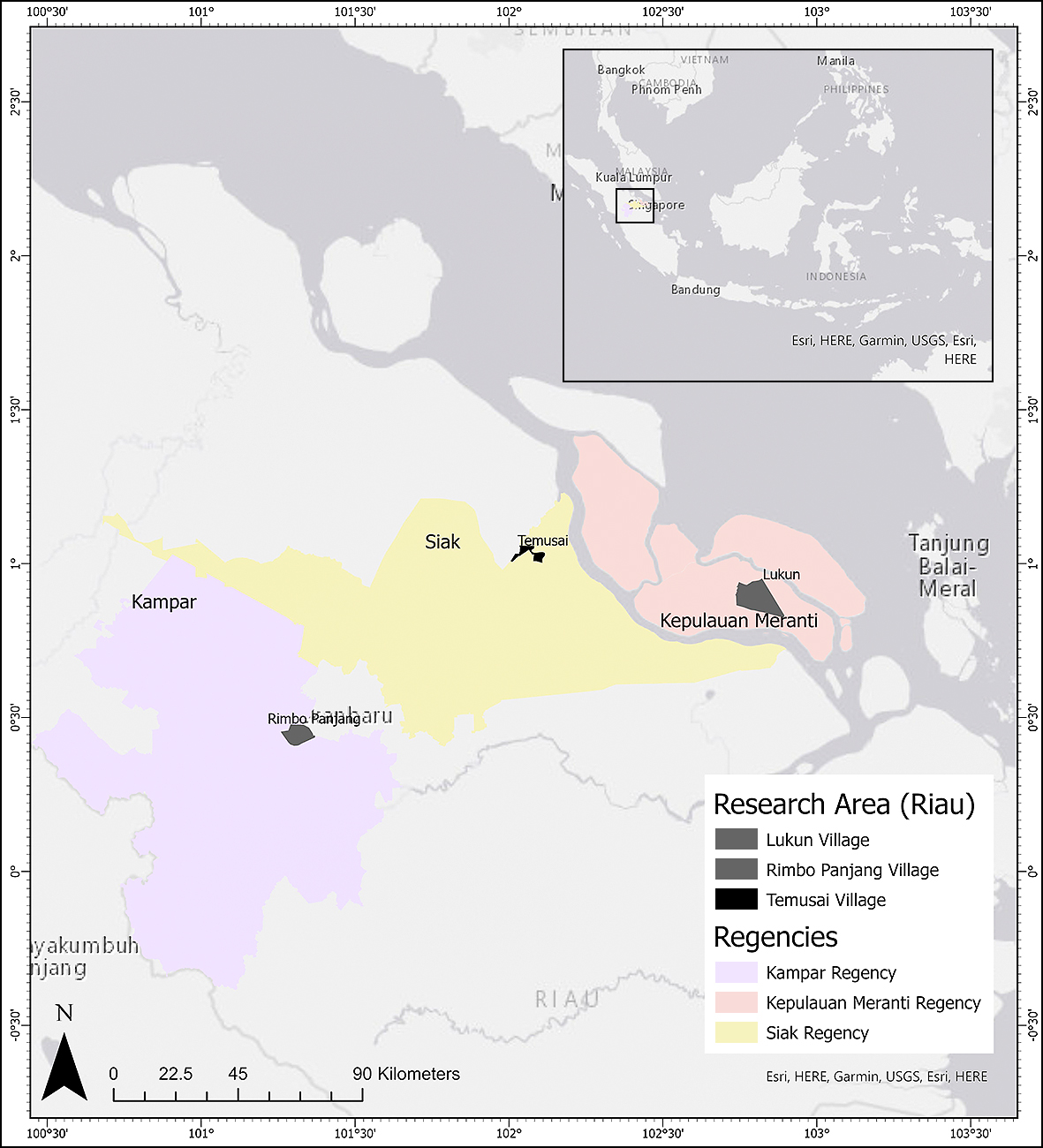
Fig. 1 Location of Fieldwork in Riau Province
Source: D. Kusumaningrum via ArcGIS application (2024)
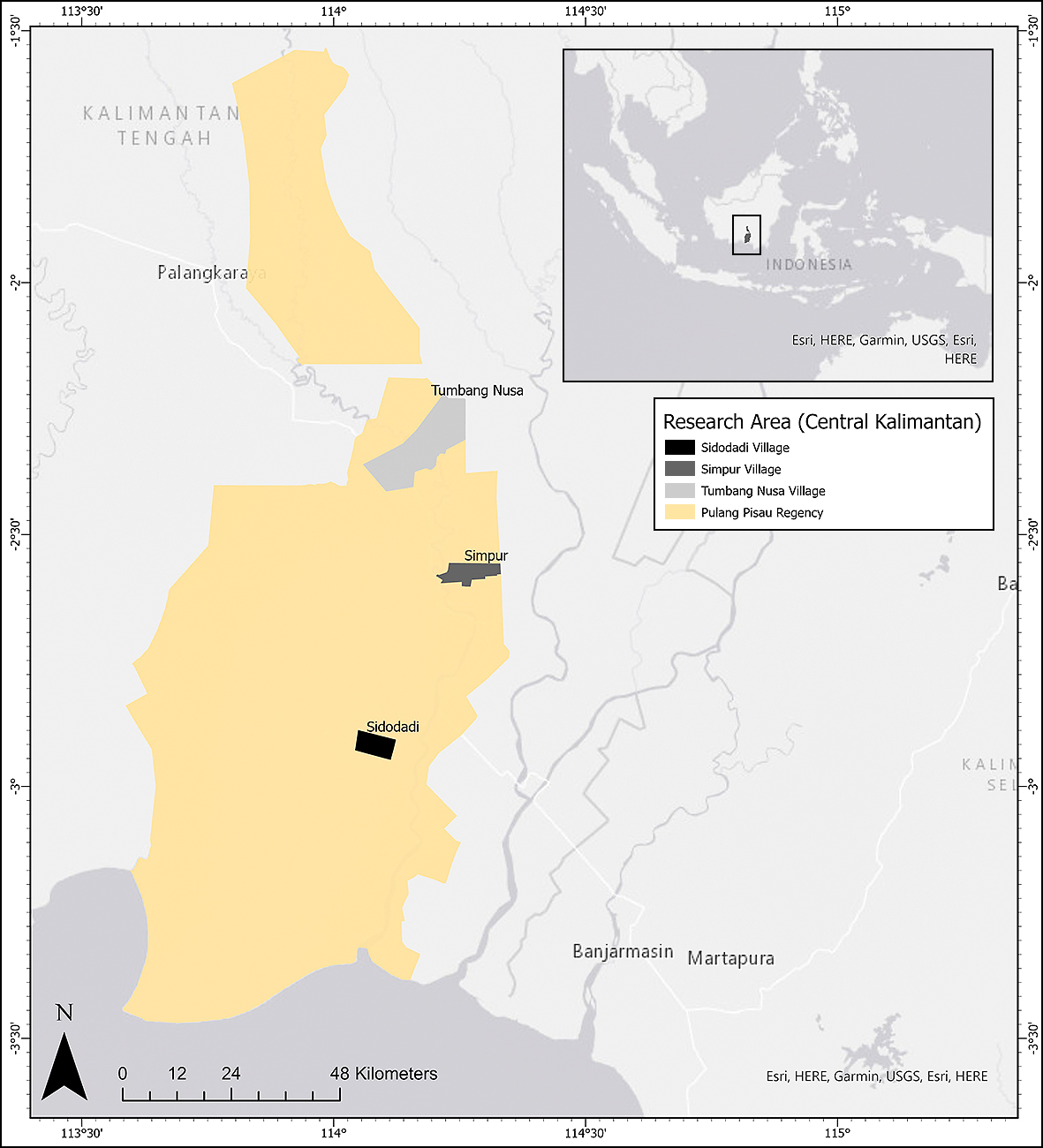
Fig. 2 Location of Fieldwork in Central Kalimantan
Source: D. Kusumaningrum via ArcGIS application (2025)
2.3 Methods and Analysis
This study utilized qualitative methodology, with data collection carried out through in-depth interviews, field observation, and focus group discussions. The utilization of a qualitative approach was intended to facilitate comprehension of the intricate nuances inherent in the domain of natural resource management, which is often characterized by the involvement of numerous actors (Creswell 2009; Sardjono and Inoue 2017; Asmin et al. 2019). Using purposive sampling, we interviewed 39 informants who were familiar with or directly involved in the 3R program. Details of the key informants are shown in Table 1.
Table 1 List of Key Informants
| Key Informant Category | Institution/Affiliation | Number of Informants |
|---|---|---|
| Central Government | BRGM | 3 |
| Local Government | Regional Peat Restoration Team (Tim Restorasi Gambut Daerah) | 2 |
| Local Environment Agency | 2 | |
| Regional Disaster Management Agency (Badan Penanggulangan Bencana Daerah) | 2 | |
| Nongovernmental Organizations | Partnership (Central Kalimantan) | 2 |
| Save Our Borneo (Central Kalimantan) | 2 | |
| AMAN (Central Kalimantan) | 1 | |
| World Wild Fund (Central Kalimantan) | 1 | |
| Indonesian Forum for the Environment (Riau) (Wahana Lingkungan Hidup [Riau]) | 2 | |
| Village Context | Heads of villages | 6 |
| Village council agency | 6 | |
| Heads of Fire Awareness Brigades | 6 | |
| Head of 3R revitalization program | 4 | |
| Total | 39 | |
Source: Interviews with key informants by the research team (2019)
The analytical focus of this study derives from a synthesis of two theoretical frameworks. First, it draws upon political ecology (Bryant and Bailey 1997; Hidayat 2016; Peterson 2000),1) which emphasizes combining ecological concerns—such as peatland protection and restoration, natural forest conservation, and local forest rights—with the types of unequal social relations foregrounded by the political economy in such institutional contexts as oil palm plantations, rubber estates, and industrial timber plantations. This approach considers the often-competing interests and tensions among government agencies, private companies, local community members, and other parties, as well as the sometimes-conflicting priorities of preserving natural ecology and addressing human needs. Political ecology treats these phenomena across multiple levels, from the local and individual to the regional, national, and transnational. Complementing this theoretical orientation, the article also draws upon Norman Long’s actor-oriented perspective in developmental sociology. Highlighting the agency of local actors and institutions, this approach ethnographically foregrounds the “situated social practices of these actors, and the ways in which social relationships, technologies and other resources (such as discourses and texts) are deployed” (Hebinck et al. 2001). In keeping with the complementary foci of these two theoretical perspectives, the article first presents institutional initiatives in peatland restoration across the study sites and then considers in detail how key local actors in each setting used their social networks, cultural status and capabilities, and political positions to participate in—and sometimes even lead—peatland restoration initiatives and how they might exercise their potential in future interventions.
3 Results and Discussion
3.1 Contribution of Private Companies to Forest Fires and Peatland Restoration
Peatlands in Indonesia have undergone significant degradation as a consequence of their conversion to industrial timber estates and oil palm plantations since the 1990s (Jewitt et al. 2014; Wildayana 2017; Purnomo et al. 2021; Van der Meer et al. 2021). It is estimated that approximately 5.8 million hectares of Indonesian peatland has been converted into industrial oil palm plantations (Budiman et al. 2020). Opened-up peat swamp area eventually becomes dry land (Suryadiputra et al. 2005; Fadillah et al. 2020), which is vulnerable to forest fires. In 2017, around 22,930 hectares affected by forest fires were located in Industrial Forest Plantations (Hutan Tanaman Industri; HTI) (Kementerian Lingkungan Hidup dan Kehutanan 2017). Satellite recordings from August 2014 to September 2019 revealed that hotspot fires occurred in land concessions belonging to more than three hundred private companies (Maruti 2019). Researchers at the Meteorology, Climatology, and Geophysical Agency (Badan Meteorologi, Klimatologi, dan Geofisika; BMKG) confirmed that more than 80 percent of forest fires occurred in big private holdings (Maruti 2019). The above data indicate that HTI areas in the concessions owned by private companies in peatlands need to go undergo “restoration” in order to prevent any repeat of the forest fires.
In 2015 extensive forest and peatland fires occurred mostly in areas belonging to large companies, especially HTI areas, which lost around 4.63 million hectares of forest (Kementerian Lingkungan Hidup dan Kehutanan 2017). However, oil palm plantations grew to 3.5 million hectares from 1990 to 2020 (Numata et al. 2022). In response to this situation, the Indonesian government issued Presidential Instruction No. 11 of 2015 on the Improvement of Forest and Land Fire Control. This directive mobilized government agencies, particularly law enforcement officers, to actively prevent or mitigate land fires. However, the deployment of security forces caused concern and fear among farmers as those suspected of burning land were threatened with ten years’ imprisonment (Merten et al. 2021). With respect to the corporate sector, the Indonesian government through the Ministry of Environment and Forestry (Kementerian Lingkungan Hidup dan Kehutanan; KLHK) imposed sanctions on 63 companies that were involved in peatland fires in 2019 (Hidayat et al. 2020).
The extensive forest and peatland fires have had negative impacts in economic, social, ecological, and even transportation terms and have drawn criticism from neighboring countries—Singapore, Malaysia, Thailand, and others—over Indonesia’s capacity to sustainably manage peatlands and forest areas. These countries accuse Indonesia of being among the top five offenders2) contributing to greenhouse gas emissions because of the smoke from peatland fires. In addition, the United Nations Framework Convention on Climate Change along with developed countries in every Conference of the Parties meeting have issued warnings to developing countries with peatlands, including Indonesia, to manage their peatlands through restoration programs so as to prevent fires.
Peatland Restoration
The Indonesian government’s commitment to peatland restoration is evident in the establishment of the BRGM through Presidential Decree (Kepres) No. 1 of 2016. The government set the ambitious target of restoring two million hectares of peatland over a five-year period (2016–20) (Badan Restorasi Gambut 2016). Even though the BRGM did not meet its target, the government set a new target of 1.2 million hectares for the period 2021–24 (BRGM 2021).
Ecological restoration is defined as the process of assisting in the recovery of an ecosystem that has been degraded, damaged, or destroyed so that ecological functions can be better performed. Among other functions, the hydrological function of peat swamp land is the long-term storage of water in order to keep the land wet so that it does not burn easily and thus keeps down the level of carbon dioxide emissions. According to Martin Schumann and Hans Joosten (2008), at least three questions must be answered in order for restoration to be successful: (1) What is desired for a return to functionality? (2) Is it possible for the desired object to be returned to functionality? (3) What should be done to restore the lost state? In the case of peatlands, the answer to these questions revolves around wetness restoration. Peat loses its water-holding (i.e., storage) capacity if it experiences “dryness” for four to five weeks (Widyati 2011). In this condition the peat is no longer able to absorb nutrients, so it changes its character and becomes like charcoal, which is prone to burning during the dry season. Peat in this condition also sinks due to its very low bulk density.
As a result of the assessment that Indonesia’s peat swamp ecosystem had been damaged, KLHK focused on finding the reasons for the dryness of the land. It turned out that there was a network of long canals in peat swamp land, which lowered water tables and dried out peat soil, increasing the rate of decomposition (Dadap et al. 2021). The Indonesian government, in line with its restoration ambitions, is trying to return the water level to no more than 40 centimeters below the peatland surface, a level that is assumed to keep the peat sufficiently wet.
The BRGM’s main task is to coordinate and carry out peat swamp land restoration programs in various provinces where there is the potential for healthy peatlands. Article 2 of the Presidential Decree in 2016 mandated restoration by the BRGM of two million hectares from 2016 to 2020. This was considered the world’s largest peatland restoration program (Wetlands International and Tropenbos International 2016). Despite the existence of an explicitly declared government policy to maintain the moratorium from 2011 to prevent the conversion of peat swamp land into HTI and oil palm plantations, this moratorium has been violated repeatedly (Nugroho et al. 2013). For example, the private palm oil company Globalindo Agung Lestari, part of the Malaysian company Genting Plantations Berhad, converted peatland to an oil palm plantation in Mantangai District, Kapuas Regency, Central Kalimantan (Syahrul 2021). This shows a lack of supervision and law enforcement commitment from government officials to maintain the moratorium on licensing for private companies so that forest and peatland fire disasters are minimized.
The urgency of peatland restoration is related to the strategic function of peatlands for carbon sequestration as an antidote to greenhouse gas emissions, thus countering global climate change (Joosten and Clarke 2002), maintaining biodiversity, avoiding land fires through the maintenance of hydrological functions, enabling fish breeding, as well as facilitating other ecological functions. The peatland restoration that has been accomplished since 2016 by the BRGM, with the support of local communities, NGOs, and academics, has been a positive step for the needs of present and future generations. Such efforts complement peatland restoration programs that were carried out by European countries in the 1970s, the United States in the 1980s, and Japan in the 1990s.
As part of the BRGM program in Pulang Pisau Regency, revegetation has been carried out on burnt areas, both in peatlands and in community cultivation areas. The initial restoration activity involved the creation of a tree nursery project in two villages: Pilang and Garung, Jabiren Raya District (Pokker 2016). Meanwhile, the construction of canal blocks is intended to hold water in ditches or canals at a certain height, stopping peat water from flowing into rivers or other places so that the wetness of the ecosystem can be maintained (Suryadiputra et al. 2005). Maintaining wetness in peatlands—a primary goal of the restoration program—requires reorganizing the hydrological function of the peat dome as a long-term water storage repository. Several techniques can enable hydrological management: total canal closure, damming of creeks that pass through conservation areas with peatlands, building of blockages in the canal, using water pumps for wetting and watering peat in the dry season, and making dams/pools for water reserves in case of land fires (Ministry of Environment and Forestry 2015, 2). In addition, economic revitalization is aimed at empowering communities in and around the peatlands so that they no longer depend on peat resources in their local livelihood activities, since ongoing restoration has a negative impact on agricultural activities. In order that the wetting of land does not harm the community, resulting in reduced income, livelihood activities must be proactively diverted to other places.
3.2 Population Distribution, Landownership Distribution, and Fire Awareness Brigades in
the Study Villages
This section details the population distribution, Fire Awareness Brigades (Masyarakat Peduli Api; MPA), and landowner identification among residents of Rimbo Panjang, Temusai, and Lukun Villages in Riau Province and Tumbang Nusa, Simpur, and Sidodadi Villages in Central Kalimantan Province.
Rimbo Panjang Village
The original inhabitants of Rimbo Panjang Village came from Pariaman in West Sumatra and are primarily of Minangkabau ethnicity. Other villagers are of Batak, Javanese, Banjar, and Malay ethnicity. About 25 percent of village land is occupied by Minangkabau villagers, while approximately 75 percent is held by private companies, such as Surya Dumai, or individuals of other ethnicities. There are three MPAs in this village, each with ten people, making a total of thirty members. When forest fires occur, these three fire brigades are activated. The head of the village (Hr)3) provides a salary from the village fund (dana desa) for MPA members, and personnel are covered by insurance for accidental injury or death.
Temusai Village
The original inhabitants of Temusai Village are Malay, but landownership is dominated by Javanese transmigrants. Javanese own 60 percent of the land, Malays 35 percent, and Batak, Sundanese, Banjarese, and Chinese the remaining 5 percent. The village has four MPAs, each with six persons, yielding a total of 24 MPA members.
Lukun Village
The original Malay inhabitants of Lukun Village constitute 80 percent of the village population, while the remaining 20 percent of inhabitants are Javanese, Buginese, Banjarese, and from Lombok. Malays own 70 percent of the land, Javanese 20 percent, and Chinese and Banjarese the remaining 10 percent. The village’s MPAs have a total of 18 registered persons.
Tumbang Nusa Village
About 90 percent of Tumbang Nusa Village’s inhabitants are Dayak Kahayan, while the remaining 10 percent are Javanese, Banjarese, Sundanese, and Batak. Dayak own 80 percent of the land, and the other ethnic groups mentioned above own the remaining 20 percent. There are three MPAs, with a total of 18 registered persons.
Simpur Village
The original inhabitants of Simpur Village are Dayak Ngaju, constituting 95 percent of the village population and the village’s landowners. The remaining 5 percent of villagers are Javanese and Sundanese. The village has three MPAs, with a total of 18 registered persons.
Sidodadi Village
In contrast to Tumbang Nusa and Simpur Villages, Sidodadi Village is inhabited mostly by ethnic Javanese and Sundanese: these two communities account for approximately 95 percent of the population and landholding in the village. The remaining 5 percent of land is owned by Batak, Banjarese, and Dayak. Thus, Javanese and Sundanese are the dominant economic and social actors in Sidodadi Village. The village’s four MPAs have 26 registered persons, whose salaries derive from the village fund as determined by the head of the village and the Village Consultative Council (Badan Permusyawaratan Desa; BPD).
4 Local People’s Participation
According to Sherry Arnstein’s (1969) model of levels of “participation,” the ideal form of community participation in restoration activities is citizen control. Public participation in governance entails the direct and indirect involvement of stakeholders (including local community members) in making decisions about policies, plans, or programs in which they have an interest (Quick and Bryson 2016). Through public participation, stakeholders may interact with government agencies, political leaders, nonprofit organizations, and business organizations that create and implement public policies and programs. In this sense, in order to reach a level at which the village cares for peat, as an expression of citizen control, the community must already have the capacity and knowledge to implement peat restoration. In addition, the community should know the benefits and negative impacts of peatland destruction—not only at the local level but also at the national and global levels. For example, one benefit is that the local community is able to plant various agricultural and horticultural plants as well as local species of trees. On the other hand, dry peatland is vulnerable to fires. Also, damage to peatlands results in the release of carbon dioxide into the air, which contributes to an increase in Earth’s temperature, which produces such effects as the melting of icecaps at the poles. When the conditions for citizen control are fulfilled, the community can independently play a role in leading peatland restoration, identifying damaged areas and implementing restoration measures.
The success of a development program is not based solely on the capacity for government intervention; rather, it depends upon the agency of other stakeholders, especially the participation of community members in carrying out ongoing development programs (Susetiawan et al. 2018). In this regard, it is important to analyze how community members have been involved in the peat restoration process in designated Indonesian sites and their potential for enacting further interventions. The following section analyzes the actual and potential roles of significant community members in each of the study villages in Riau and Central Kalimantan.
4.1 Riau Province
Rimbo Panjang Village
Rimbo Panjang Village is classified as one of the large villages in Tambang District, Kampar Regency. It has an area of 3 km by 12 km, extending from the border between Pekanbaru Municipality and Tambang District.
Previously, there were village-supported efforts to increase economic empowerment through the cultivation of rubber, pineapple, and catfish. These efforts were made prior to the 2015 fires, and unfortunately due to the fires they did not yield any results. This is why the village head, Hr, and his team, including the community in Rimbo Panjang Village, are passionate about managing fire disasters in line with the peatland restoration program. Hr and his team have demonstrated good teamwork in helping to restore the peatlands. To carry out the rewetting (R1) program, he and members of the MPA built dozens of borewells to prepare water reserves that could be pumped with a machine pump to extinguish forest and field fires.
The MPA plays a significant role in the front line for patrolling, preventing, and fighting forest and field fires. Such fires can be frequent and intense, as evidenced by the forest fires around Rimbo Panjang Village in August–September 2015 and August–September 2019, which contributed to a series of haze crises in the wider region that were labelled by Indonesia’s Meteorology, Climatology, and Geophysics Agency as a “crime against humanity of extraordinary proportions” (Jaramillo 2015). In relation to the strategic role of MPAs in dealing with such catastrophes, Hr, who was also the former chairman of the MPA, declared, “The MPA is in a leading position, feels a direct threat, and acts to extinguish forest and field fires that threaten people’s lives, plants and housing” (interview with Hr, village head, August 7, 2019). In 2017 there were thirty MPA members in Rimbo Panjang Village, of whom ten were required to be on standby every day to patrol and act when needed, especially during the dry season. MPA members are appointed by the village head via a decree (surat keputusan) signed by him.
Although previously MPA members were volunteers, under the new management regime based upon the village head’s decree and support from the BRGM, efforts are being made for them to receive a fixed salary—or at least an honorarium when tasked with patrolling and firefighting. According to Hr, two steps are being taken to improve conditions for MPA members. First, the village head in the draft deliberation work program has sought to gain the regent’s agreement to issue a Regent’s Regulation (Peraturan Bupati) that would grant access to a certain account code allowing the village fund under the authority of the Ministry of Disadvantaged Villages to make monetary disbursements for urgent and emergency fire prevention and firefighting. The second step is trying to increase the willingness of MPA members to dedicate their energy toward extinguishing peatland fires after receiving the funds.
According to MPA members, there should be accessible tactical funds in the village office treasury amounting to around IDR 15–20 million for the estimated operational cost of dealing with a three-hectare fire. Of course, the release of such village funds must be based on an agreement between the village head and the chairperson of the BPD, who represents community members. A forest fire lasting just three hours can burn two to three hectares of land. Usually, extinguishing a one-hectare fire requires nine MPA members for the left wing and nine for the right wing. Two or three Rubin or Honda pump engines that are ready to be carried and can operate nonstop for four to six hours are required, as well as ten hoses, each 250–350 meters long, to connect the borehole and the engine to the fire area.
The R2 and R3 programs are yet to be implemented in this community, thus hindering the achievement of the economic and social aims of the project. The intervention strategy still requires support from the Regional Peat Restoration Team (Tim Restorasi Gambut Daerah; TRGD), other institutions such as universities, and NGOs to facilitate the provision of local tree and fruit seeds and other economic revitalization facilities, including those necessary for cultivating local catfish and other fish and for breeding goats and cows to develop the community’s economy and social life.
Temusai Village
The total population of Temusai Village is 1,400. The village head, Mrk, is a potential actor in transforming peatland restoration in all three aspects—rewetting, revegetation, and revitalization of local livelihoods—due to his ability to deploy social, financial, and political capital. His ability to encourage community participation in peatland restoration is strengthened by his village being categorized as a peat care village (Desa Peduli Gambut; DPG). Mrk particularly supports the first peatland restoration measure (R1), accomplished mainly through canal blocking, and revitalization (R3). The R1 program in this region was supported and facilitated by the TRGD at the provincial level and NGOs such as Walhi and World Wife Fund (WWF) during 2016–19. Mrk also supports the creation of a reservoir from village funds to provide water stock that can be used to extinguish forest and field fires caused by residents burning areas for palm oil plantations (interview with Mrk, village head, August 14, 2019).
As part of his plan to develop the village, Mrk launched a social movement to collect two palm oil fruit bunches from each family head in each neighborhood association (Rukun Tetangga, a community organization to serve community needs) (Desa Dukuh Badag 2025). As a result of this collection, the village treasury has millions of rupiah in cash to support various social initiatives, including paying for the education of orphans and health treatment costs for family members who cannot afford it, as well as providing assistance for building a prayer hall (musholla) and mosque facilities. Mrk has also drawn on his social networks to promote economic revitalization, engaging in frequent visits to government officials—such as the heads of local government agencies with mandates in agriculture, environment, public works, and housing and cooperatives—members of the Siak Regency parliament (Dewan Perwakilan Rakyat Daerah), and NGOs seeking contributions for agriculture, irrigation, seed planting, and training in socialization and education to catalyze an understanding of peat restoration and community economic revitalization.
Another key actor in implementing the economic revitalization program is the goat-raising group, consisting of 12 members and chaired by Kst. The BRGM provided 64 Jampnapari goats (48 females and 16 males)4) to the Temusai community in 2018 in an effort to revitalize the local economy. In a communal rotation of labor, the 12 members of the group take turns looking for grass feed and providing other food. The grass is used as goat feed, then the goat manure is collected and dried in a manure-processing machine. The machine creates compost that can be used for plants such as chilies, onions, and vegetables as well as fruit trees such as durian, jackfruit, breadfruit, and rambutan. Based on their expectation that the goats will remain healthy and continue to breed, the group hope that the BRGM will approve their proposal for the provision of a bigger machine for processing goat manure into compost. Compost products, apart from being consumed by farmers in Temusai Village, can also be sold outside the village to provide additional income for livestock keepers (interview with B, August 15, 2019).
Another emergent actor in peatland restoration in the village is Khd, one of the leaders of the Malay community whose members live together in the midst of the settlement of transmigrants from Java. As well as manifesting charisma, he is classified as a potential actor because he has considerable social and financial capital that he can call on to encourage community participation in peatland restoration. As one of the Malay community leaders descended from the Siak Kingdom, Khd has not only symbolic capital but also social capital that gives him access to other descendants of the Siak Kingdom who occupy positions of influence in government offices, as well as the head of the Siak regency office. Khd has the potential to use his social relations to promote education for understanding peat restoration and community economic empowerment in Temusai Village.
Lukun Village
The village head of Lukun Village, Lkm, possesses the social networks (social capital), official position (political capital), and economic standing (financial capital) to emerge as an actor in encouraging the collaboration of the Lukun Village community for carrying out peat restoration. Lkm is also committed to advancing the village as a DPG. He is willing to open a space for collaboration with other stakeholders in disseminating to the community understanding and program actions related to all three peat restoration measures mandated by the BRG and TRGD in collaboration with the Research and Community Service Institute (Lembaga Penelitian dan Pemberdayaan Masyarakat) at the University of Riau, CSEAS-Kyoto University, Gadjah Mada University, and various NGOs. In rewetting (R1) operations, Lkm was assisted by other members of the village community to design—drawing on local understandings—and jointly carry out the construction of canal blockages requiring both donation of land to make the blocks and provision of high-quality wood as raw material from the community’s timber stands. Lkm and his colleagues emphasized the importance of blocking canals in order to re-base the peatlands around community gardens and protect the village from potential fires, especially in the dry season.
Amr serves as chairman of the local MPA, composed of 18 firefighters, of whom ten are active. This brigade has been provided by the BRGM with fire-extinguishing equipment, including water suction machines and hoses, and uniforms. The BRGM’s assistance in preventing forest and field fires has facilitated the construction of nine canal blockage units for canal wetting, so that they function to supply water in the event of a fire and also provide fertilizer for community lands around the canal. Amr’s commitment to advancing Lukun Village as a DPG has been effective in supporting peat restoration. This success is related to Amr’s social capital—he was a lecturer on peat restoration at various symposia and workshops on peatland restoration, including in Pekanbaru, the capital of Riau Province, in July 2016 and in Martapura, South Kalimantan Province, in August 2018.
In implementing the R2 measures of the program, Lkm and Amr invited community participants to construct local tree nurseries from conservation forests and to plant local trees, including gerunggang (Cratoxylon arborescens), rubber (Hevea brasiliensis), simpur paye (Dillenia indica), leban (Vitex pinnata), and sago palm (Metroxylon sagu). Amr also serves as chairman of the timber nursery for Community Carers for Peat (Masyarakat Peduli Gambut), whose secretariat office is in the city of Selat Panjang, Kepulauan Meranti Regency. To obtain various species of wood typical of the Meranti Islands, Amr and his community members searched for wood seeds from natural forests. Nearly a thousand species of wood seedlings from the natural forest were collected in a tree nursery project. As many as ten seeds were distributed to each family head (kepala keluarga) to be planted in their respective community gardens as an activity within the revegetation program. Amr also collects seeds of fruit plants such as matoa (Pometia pinnata), guava (Psidium guajava), longan (Dimocarpus longan), mangosteen (Mangifera indica), rambutan (Nephelium lappaceum), durian (Durio), petai (twisted bean, or Parkia speciosa), jengkol (dog fruit, or Archidendron pauciflorum), and others. These fruit plant species, once planted in community gardens, are planned to be included in the village’s Medium-Term Development Plan with a budget from the village fund. The project is also included as an activity in the Community Economic Institute (Lembaga Ekonomi Masyarakat) program, which was originally an initiative of the Agriculture Service of Meranti Islands Regency as well as other regencies in Riau Province and is aimed at improving the economic and social development of local communities. However, youth leaders have criticized the initiative of planting fruit seeds in community gardens on the grounds that the target area for planting these seeds is too small. Rather, they feel that the village head should use a village meeting (musyawarah desa) to transform the initiative into a superior fruit commodity program, an option listed in the village Medium-Term Development Plan as a flagship program by the Regency Environment Service (interview with Her, youth leader, August 3, 2019).
To achieve the R3 goal, Lkm encourages community members to plant more sago and rubber to meet basic needs. He gives the example of planting sago trees next to his house and garden for economic and investment purposes. In addition, in the context of the R2 program, the planting of sago and rubber can be seen as a contribution to the peat restoration program. Lkm’s support for economic revitalization in fish cultivation programs includes motivating each fish-farming group to cultivate such fish as catfish (Clariidae) and tuakang (giant snakehead, or Channa micropeltes). Unfortunately, fish farming has not been successful, due to such problems as difficulty obtaining sustainable fish feed, lack of adequate electric power for heating seedlings in nurseries, and fatal viruses (interview with Z, August 5, 2019). Due to shortcomings in peat restoration management, not all communities are invited to participate in all phases, and the practice of illegal logging has not been eradicated. As a result, the Lukun Village forest, covering 2,466 hectares, is still vulnerable to tree felling and other depredations by people from other villages, making it prone to forest fires in the dry season.
4.2 Central Kalimantan
Tumbang Nusa Village
In Tumbang Nusa Village, Udn—the village secretary and chairman of the MPA—plays a strategic role. Udn’s understanding of peat restoration and his involvement in implementing R1, R2, and R3 programs as well as his social, political, and financial capital led to his being classified as a potential actor who could mobilize community participation in peat restoration. As evidence of his social capital, Udn has communicated with several heads of provincial and district offices to bring in such assistance as cattle from the provincial Peat Restoration Team, fruit tree seeds, and local trees for planting—including gelam (Melaleuca cajuputi), gerunggang (Cratoxylum arborescens), and rubber (Hevea brasiliensis). The village has an area of four hectares for planting tree seedlings and cultivating various types of plants for the purpose of increasing carbon sinks and conserving biodiversity now and in the future. In addition, once production has been initiated, the stock of wood plants can be used for the construction of houses, thus reducing building costs.
However, Udn has not elicited widespread participation in implementing all aspects of the peat restoration project; in particular, he has not been able to gain the involvement of many local groups, especially the Dayak people who live in settlements near the Kahayan River. As in the cases of Hr and Uln, villagers have accused the village government apparatus and people who work for the MPA of nepotism: many members of their own families have been involved in making dozens of drilled wells to prepare water reserves, as well as in other aspects of the R1, R2, and R3 programs. Most of the community has not been involved in peat restoration initiatives (interview with Z, July 11, 2019).
The dispute led by Chd, a local leader of farmer communities in Tumbang Nusa Village, demonstrates how the local government needs to implement an intervention strategy. Chd called for legal protections to prevent or reverse the seizure of former conservation areas by government research institutions. He appealed for ownership of this land to be returned to a group of farmers. As a result, landownership was changed to the farmers, with every farming household receiving two hectares of land for carrying out agricultural activities. Were ownership of this land to be returned to research institutions, it would give the institutions access for conducting research activities that could provide economic, social, and ecological benefits. Such measures would counter Chd’s land-claiming behavior, taking away his capacity to distribute land to members of farmer groups, which increased public sympathy for him and brought him political and economic benefits in the long term.
Simpur Village
Located in Jabiren Raya District, Pulang Pisau Regency, Simpur is occupied predominantly by Dayak Ngaju. As the chairman of the BPD, Frr has been an active participant in peat restoration measures of all three types—rewetting, revegetation, and livelihood revitalization—and thus can be classified as a potential actor in this field, especially as he has sufficient social and political capital to be able to mobilize communities and farmer groups to participate in peat restoration. As chairman of the BPD, he has communicated skillfully in discussions on the management of peat restoration with partners, including the TRGD, the deputy for the BRGM, local governments, and local and international NGOs. Through his networks he has contributed to the development of village forests, community forests, partnership forests, ecotourism, carbon sinks, and forest fire training, with assistance from representatives of the World Bank and the Badan Penanggulangan Bencana Daerah (Regional Disaster Management Agency) (interview with T, July 16, 2019).
Despite Frr’s achievements and skills, the farmer groups and communities with which he works have not fully carried out revegetation practices, specifically with regard to peatland restoration, although the Ministry of Environment and Forestry granted a village forest area of six thousand hectares—the former area of Forest Concession Rights (Hak Pengusahaan Hutan) of the Jayanti Jaya company—to be managed as a partnership forest and protected forest by the community and the Provincial Forestry Service. The farmer group has planted sengon (Albizia chinensis) seedlings over an area of five hectares—a total of 5,200 stems—with the help of IDR 100 million granted in 2018 by the TRGD, channeled through the provincial Environmental Service. However, Frr and his colleagues have been unable to control forest and field fires, which occur almost every year in and around Simpur Village. As a result, peatland restoration has yet to be fully realized.
Considering the shortcomings and strengths of Frr and his team, intervention strategies based upon an actor-oriented approach must involve the TRGD and related agencies in the region as well as NGOs in facilitating the R2 and R3 restoration programs, so that the target of economic empowerment is realized. Frr can contribute to such efforts by socializing the restoration program to the community and targeting political and economic goals as the reelected BPD chairman or village head in the future.
Another actor with a strategic position in peatland restoration is Ats, who was the head of Simpur Village in 2011–17, a traditional leader, and head of the MPA. Ats’s ability to develop social, political, and financial capital can mobilize community participation in implementing peat restoration measures of all three varieties, although he has mostly used R1 and R3 initiatives to promote his family’s economic and social interests, so that they rarely involve the village community at large. Nevertheless, from the perspective of the intervention strategy approach, facilitation by the TRGD and relevant government agencies in peat restoration programs can contribute to achieving the economic and social interests of the Simpur Village community by making use of local actors such as Ats. He has the intellectual and social capacity to mobilize his social capital for establishing cooperation with private palm oil companies, the Kahayan Watershed Management Agency (Badan Pengelolaan Daerah Aliran Sungai), the TRGD, and local and international NGOs. Such cooperation could result in training to increase human resources for understanding peat restoration, especially the revegetation program for planting sengon (Albizia chinensis), rubber (Hevea brasiliensis), and gelam (Melaleuca cajuputi), whose fast growth can improve forest ecosystems and provide economic and social empowerment to the community (interview with X, July 21, 2019).
Sidodadi Village
The key to the assessment of actors in Sidodadi Village is their high potential for collaboration and cooperation. This potential can be a strong point in fostering the formation of a DPG because restoring peat requires cooperation from all elements of society and is not just the work of individuals. The three main actors with high potential in Sidodadi Village are Aln as the village head; Ryt as the head of the MPA, the village working group Kelompok Kerja/Pokja, and the community group Kelompok Masyarakat/Pokmas; and Stn, the chairman of the BPD and also principal of the elementary school. Their positions reveal how village officials directly involved in peatland restoration activities must have access to information and knowledge to support achievements by members of the peat care village community in sustainable peat ecosystem management.
Aln’s strength is that he is supportive of all aspects of peat restoration: R1, R2, and R3. With respect to R1, he has supported the construction of several drilled wells. He has also supported canal blocking to increase the availability of water in reservoirs for use during the dry season for bathing and washing as well as extinguishing forest and field fires.
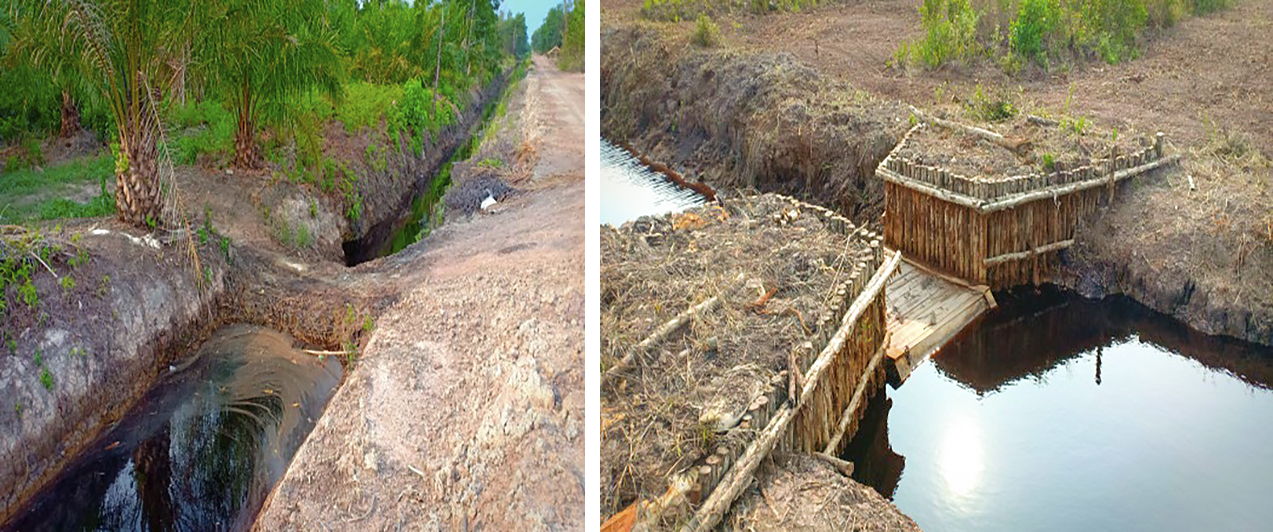
Fig. 3 Different Forms of Canal Blocking Before (left) and After (right) BRGM Intervention (photos by Herman Hidayat, Greg Acciaiolli, Massa Djafar, Laely Nur Hidayah, Robert Siburian, Osamu Kozan, and Dicky Rachmawan, July 2019)
As of this writing, the revegetation program had not yet been implemented in Sidodadi Village, as village forest had not yet been allocated for the planting of endemic trees. Among other revitalization activities, fifty cows had been provided by the provincial Agricultural Agency and a fertilizer-making machine by the BRGM through the TRGD. The village head welcomed the TRGD’s official representative and submitted his recommendation to the agricultural community group (Pokmas Pertanian), most of whose members are also members of the MPA. If assistance with cattle and fertilizer-making machines can be managed properly in this village, not only will the village produce the desired socioeconomic results but it can be an example for farmer groups in other villages.
Ryt is the head of the MPA and a cattle group as well as coordinator of a manure and organic milling business. With respect to R1, he has been involved in drilling wells and blocking canals using strong local wood. He has also used his position as the head of the Sumber Rejeki farmer group to promote R2. This group operates an organic fertilizer milling machine, developing and selling organic fertilizer products to the wider community. The organic fertilizer business has successfully marketed its products at the request of farmer groups from other villages, and 10 percent of the profits have been allocated for MPA activities in an effort to prevent forest and land fires (interview with G, July 24, 2019).
Stn holds an important position as the chairman of the BPD and a permanent salaried teacher in the elementary school. Drawing on his extensive social and political capital, he has supported all aspects of the peatland restoration program by communicating with various stakeholders to mobilize community participation (interview with Y, July 24, 2019). As the head of the BPD, he encouraged and provided space for collaboration with various government agencies, including the TRGD and agencies dealing with agriculture, livestock, forestry, cooperatives, and other sectors. For example, in part due to Stn’s ability to develop social networks, amass social capital, and exploit power relations through networking, the provincial Agriculture Office provided fifty cows for the economic empowerment of local rural communities. Stn also played a major role in supporting infrastructure development projects with the provincial and regency Public Works Offices for the construction of intra-village and inter-village roads as well as canal blocking to stem water losses, so that water is always available in the canals for the R1 and R2 phases of the peat restoration program.
5 Conclusion and Recommendations
Peatland management at the national level in Indonesia presents two seemingly contradictory approaches. On the one hand, the government has consistently given permission for peat areas to be converted into monoculture plantations, officially termed Industrial Forest Plantations (Hutan Tanaman Industri), due to strong pressure from business interests in the private sector. This increases the vulnerability of these areas to fire. Conversely, peatland management also includes restoration, as evidenced by the introduction of relevant government policies. The issuance of regulations and the establishment of the BRGM have played a pivotal role in spearheading the government’s commitment to restoring and enhancing the condition of increasingly degraded peatlands. The peatland restoration program has also been transformed into a forum for community participation as well as the participation of stakeholders such as local governments and nongovernmental institutions.
This study, based on six villages used as case studies in examining community participation in managing and restoring peat areas, confirms the finding of previous studies that communities have an important role in peatland management. As evidenced by the enthusiasm of the community in Rimbo Panjang Village to be involved in the peat restoration program, there is a clear alignment between this initiative and the villagers’ objective of developing their livelihoods, which has been adversely affected by fires since 2015. Furthermore, this study has demonstrated that communities play an active role in engaging and interacting with other stakeholders to support the peat restoration program. This was most clearly evidenced by the case studies of Tamusai Village in Riau Province and Simpur and Sidodadi Villages in Central Kalimantan Province. A key finding across all research locations is the significant role played by village-level actors in shaping the effectiveness of the peat restoration program. This is particularly evident in the case of actors who possess significant social, economic, and political capital, such as the village head. Actors at the village level are not necessarily homogeneous: there is a complex mix of actors with unique contexts and interaction dynamics in each research location. Variations among villages is what accounts for the lack of uniformity in the achievements of the peat restoration program.
Upon examination of the uneven implementation of the 3R-based peat restoration model, it may be observed that the rewetting program (R1) has been most frequently implemented in four villages: Rimbo Panjang Village, Tamusai Village, Lukun Village, and Sidodadi Village. This is attributable largely to the active involvement of key stakeholders, particularly the TRGD and NGOs, which have played a pivotal role in reducing the risk of fire. The revitalization program (R3) has been implemented with notable efficacy in four villages: Tamusai Village, Lukun Village, Simpur Village, and Sidodadi Village. It is unfortunate that the implementation of the R3 program has not necessarily had a highly positive economic impact; this program continues to face obstacles in the field and represents a potential area for further research. The revegetation program (R2) is the least implemented of the three, having been carried out only in Lukun Village and Tumbang Nusa Village, and even then only because it aligns with the objective of economic development or improving livelihoods.
The reduction of peatland fires depends greatly on integrating government policy and regulations to ban the extension of production forests for HTI and holders of palm oil concessions. It is reliant as well on the effectiveness of synergetic cooperation between the BRGM and other stakeholders, especially local people invited to participate in its programs. Thus, law enforcement agencies must be committed to imposing tough sanctions on those who break the law, without any favor given to parties that transgress regulations regarding the use of peatland by the private sector.
Acknowledgments
All the authors contributed equally to this article. We are thankful for the 2019 fundraising efforts of the BRGM project in inviting collaboration among various institutions: Universitas Riau, the Peat and Mangrove Restoration Agency, and the Indonesian Institute of Sciences (Lembaga Ilmu Pengetahuan Indonesia), which has since been incorporated as part of the National Research and Innovation Board (Badan Riset dan Inovasi Nasional). We also thank our informants, including local people in the research sites, the head of customary forest rights, Forest Agency officials at the regency and provincial levels, officials in the Badan Penanggulangan Bencana Provinsi dan Kabupaten, and local government officers in Pulang Pisau and Palangkaraya Regencies in Central Kalimantan as well as in Meranti Islands, Siak, and Kampar Regencies. Many thanks as well to various academics and officers in several NGOs (Kemitraan, WWF, Forest Watch, Walhi, etc.). The authors are thankful also to the editor, editorial staff, and both reviewers of Southeast Asian Studies for their positive comments and constructive critiques.
No Conflict of Interest
The authors declare no conflict of interest regarding this article.
Notes
1) Other analysts use the term “environmental politics” to describe a similar frame for understanding the complex interrelationships in situating local ecosystems within national and global political economies (Blaikie and Brookfield 1987).
2) Indonesia was ranked third among five countries (the United States, China, Indonesia, India, and the European Union), as its greenhouse gas emissions reached 3.01 billion tons in the 2000s, much of it derived from forest and peatland fires (Lubis 2017).
3) All individuals in this paper are designated by pseudonyms consisting of two or three letters in order to maintain anonymity.
4) This type of goat is known locally as kambing etawah or kambing otawa. It was first imported to Indonesia from the Etawah District of Uttar Pradesh in India and is bred for both milk and meat. In East Java it has even been crossbred with a local Indonesian variety of goat (kacang) to produce the Indonesian Etawah crossbred goat (Capra aegagrus hircus) (Winaya et al. 2017).
References
Antriyandarti, Ernoiz; Sutrisno, Joko; Rahayu, Endang Siti; et al. 2019. Mitigation of Peatland Fires and Haze Disaster through Livelihood Revitalization: A Case Study in Pelalawan Riau. J. Phys.: Conf. Ser. 1153: 012131. https://doi.org/10.1088/1742-6596/1153/1/012131. back1
Arifin, B. and Setyawan, D. 2022. How Palm Oil Industry Is Having a Devastating Impact on Indonesia’s Health, Rainforests, and Labor Market. International Journal of Environmental Science and Technology 19(12): 11775–11788. https://doi.org/10.1007/s13762-022-03923-4. back1
Arnstein, Sherry R. 1969. A Ladder of Citizen Participation. Journal of the American Institute of Planners 35(4): 216–224. https://doi.org/10.1080/01944366908977225. back1
Asmin, Ferdinal; Darusman, Dudung; Ichwandi, Iin; and Suharjito, Didik. 2019. Mainstreaming Community-Based Forest Management in West Sumatra: Social Forestry Arguments, Support, and Implementation. Forest and Society 3(1): 77–96. https://doi.org/10.24259/fs.v3i1.4047. back1
Atkinson, Christopher L. and Alibašić, Haris. 2023. Prospects for Governance and Climate Change Resilience in Peatland Management in Indonesia. Sustainability (Switzerland) 15(3): 1839. https://doi.org/10.3390/su15031839. back1
Azni, Ulfa Sevia; Alfitri; Yunindyawati; Riswani; and Pellizzoni, Luigi. 2023. Adaptive Capacity of Indonesian Peatland Communities Facing Resource Loss and Fires Threats: Studies on Purun (Eleocharis dulcis) Craftsmen. International Journal of Design and Nature and Ecodynamics 18(5): 1223–1228. https://doi.org/10.18280/IJDNE.180524. back1
Badan Restorasi Gambut. 2016. Rencana Strategis Badan Restorasi Gambut Tahun 2016–2020. Jakarta: Badan Restorasi Gambut. https://www.scribd.com/document/467136685/Rencana-Strategis-Badan-Restorasi-Gambut-Tahun-2016-2020, accessed February 3, 2025. back1 back2 back3
Badan Restorasi Gambut dan Mangrove (BRGM). 2021. Rencana Strategis Badan Restorasi Gambut Dan Mangrove Tahun 2021–2024. Jakarta: BRGM. https://www.scribd.com/document/690412181/RENSTRA-BRGM-2021-2024-1, accessed February 3, 2025. back1
Blaikie, Piers and Brookfield, Harold, eds. 1987. Land Degradation and Society. London: Routledge. https://doi.org/10.4324/9781315685366. back1
Bonn, Aletta; Allott, Tim; Evans, Martin; Joosten, Hans; and Stoneman, Rob. 2016. Peatland Restoration and Ecosystem Services: An Introduction. In Peatland Restoration and Ecosystem Services: Science, Policy and Practice, edited by Aletta Bonn, Tim Allott, Martin Evans, Hans Joosten, and Rob Stoneman, pp. 1–10. Cambridge: Cambridge University Press. https://assets.cambridge.org/97811070/25189/excerpt/9781107025189_excerpt.pdf, accessed February 3, 2025. back1
Bryant, Raymond and Bailey, Sinéad. 1997. Third World Political Ecology: An Introduction. London: Routledge. https://doi.org/10.4324/9780203974360. back1
Budiman, Ibnu; Januar, Rizky; Daeli, Willy; Hapsari, Rahmah D; and Sari, Eli NN. 2020. Designing the Special Pilot Economic Zone: An Alternative Approach to Revitalize Livelihoods on Peatlands. Jurnal Geografi Lingkungan Tropik 4(1): 1–23. https://scholarhub.ui.ac.id/cgi/viewcontent.cgi?article=1025&context=jglitrop, accessed November 3, 2025. back1
Choi Eunho; Jeong Jaehui; Artati, Yustina; et al. 2024. Local Perspectives on Agrosilvofishery in Peatlands: A Case Study of Perigi Village, South Sumatra, Indonesia. Land 13(4): 539. https://doi.org/10.3390/land13040539. back1 back2
Cisneros, Elías; Kis-Katos, Krisztina; and Nuryartono, Nunung. 2021. Palm Oil and the Politics of Deforestation in Indonesia. Journal of Environmental Economics and Management 108: 102453. https://doi.org/10.1016/j.jeem.2021.102453. back1
Colfer, Carol J. Pierce; Prabhu, Ravi; and Larson, Anne M., eds. 2022. Adaptive Collaborative Management in Forest Landscapes: Villagers, Bureaucrats and Civil Society. New York: Routledge. https://doi.org/10.4324/9781003197256. back1
Creswell, John W. 2009. Research Design: Qualitative, Quantitative, and Mixed Methods Approaches. 3rd ed. Singapore: Sage. back1
Dadap, Nathan C.; Hoyt, Alison M.; Cobb, Alexander R.; et al. 2021. Drainage Canals in Southeast Asian Peatlands Increase Carbon Emissions. AGU Advances 2(1): 1–14. https://doi.org/10.1029/2020av000321. back1
Desa Dukuh Badag. 2025. Rukun Tetangga. Desa Dukuhbadag. https://desa-dukuhbadag.kuningankab.go.id/lembaga/rukun-tetangga-rt, accessed September 9, 2025. back1
Dohong, Alue. 2017. Peatland Restoration in Indonesia: Strategy & Approaches in Restoring Degraded Peatland in Indonesia. Power-point presentation at the Tropical Forestry: Innovation and Change in the Asia Pacific Region conference, August 14–17, 2017, Cairns. https://doi.org/10.13140/RG.2.2.10640.66562. back1
Dohong, Alue. 2016. An Assessment of the Restoration Efforts of Degraded Peatland in Central Kalimantan Indonesia. PhD dissertation, University of Queensland. https://doi.org/10.14264/uql.2016.771. back1
Donovan, Deanna and Puri, Rajindra Kumar. 2004. Learning from Traditional Knowledge of Non-timber Forest Products: Penan Benalui and the Autecology of Aquilaria in Indonesian Borneo. Ecology and Society 9(3): 3. https://doi.org/10.5751/es-00678-090303. back1
Erwiningsih, Winahyu. 2023. Analyzing Drivers and Mitigation of Deforestation for Oil Palm Expansion in Indonesia, 2000–2020. International Journal of Sustainable Development and Planning 18(11): 3657–3664. https://doi.org/10.18280/ijsdp.181132. back1
Fadillah, A.; Sundawati, L.; Hartoyo, A.P.P.; et al. 2020. Development of Peatland-Friendly Commodities to Achieve Sustainable Forest Management in Jambi Province. IOP Conference Series: Earth and Environmental Science 528(1): 1–8. https://doi.org/10.1088/1755-1315/528/1/012007. back1
Greenpeace. 2021. Restoration Up in Smoke: Losing the Battle to Protect Peatlands. Greenpeace, March 31. https://www.greenpeace.org/southeastasia/publication/44387/restoration-up-in-smoke-losing-the-battle-to-protect-peatlands/, accessed October 17, 2024. back1
Gunawan, Haris; Afriyanti, Dian; and Dewanto, Haryo A. 2021. Show Windows and Lessons Learned from Peatland Restoration in Indonesia. In Tropical Peatland Eco-management, edited by M. Osaki, N. Tsuji, N. Foead, and J. Rieley, pp. 751–754. Singapore: Springer Nature. https://doi.org/10.1007/978-981-33-4654-3_28. back1
Hebinck, Paul; Ouden, Jan Den; and Verschoor, Gerard. 2001. Past, Present and Future: Long’s Actor-Oriented Approach at the Interface. In Resonances and Dissonances in Development: Actors, Networks and Cultural Repertoires, edited by P. Hebinck and G. Verschoor, pp. 1–19. Assen: Royal van Gorcum. https://www.researchgate.net/publication/37790085_Past_present_and_future_Long’s_actor-orient_approach_at_the_interface, accessed February 4, 2025. back1
Hein, Lars; Spadar, Joseph V.; Ostro, Bart; et al. 2022. The Health Impacts of Indonesian Peatland Fires. Environmental Health: A Global Access Science Source 21(1): 1–16. https://doi.org/10.1186/s12940-022-00872-w. back1
Hidayat, Dian Charity; Mizuno Kosuke; Said, Chairil Abdini Abidin; and Herdiansyah, Herdis. 2023. Implementation Framework for Transformation of Peat Ecosystems to Support Food Security. Agriculture 13(2): 459. https://doi.org/10.3390/agriculture13020459. back1 back2
Hidayat, Herman. 2016. Forest Resources Management in Indonesia (1968–2004): A Political Ecology Approach. Singapore: Springer Science+Business Media Singapore. https://doi.org/10.1007/978-981-287-745-1. back1 back2
Hidayat, Herman; Siburian, Robert; Purwaningsih, Sri Sunarti; and Moore, Noel Taylor. 2020. Forest Fires in Indonesia: An Affect on Peat Swamp Land Degradation. In Green 2020: Ridge to Reef International Conference on Watershed Management and Coastal Conservation, edited by Pedro Rubia and Rumi Okazaki, pp. 156–169. Cebu: University of San Carlos Press. http://researchgate.net/publication/395420183_International_Conference_on_Watershed_Management_and_Coastal_Conservation?_sg%5B0%5D=L2eFvp20_PzWkhZ0qDOZ25-JTfxPY5egxLyzMM2hoFnH2vOe8KiH_wKAIte_gpm7zPiu2dI7FdphkLlR8ed7YDr5X1Fqlsl5oC-Du9m4.na7uXM1QG7jnE3PJf4i4IDjHxDkkDkZqtGs6-kzwIxnl4efBDifOQQGNpSsLdtqqSQ-294-uEq0vxlFw2Lk__w&_tp=eyJjb250ZXh0Ijp7ImZpcnN0UGFnZSI6Il9kaXJlY3QiLCJwYWdlIjoicHJvZmlsZSIsInByZXZpb3VzUGFnZSI6InByb2ZpbGUiLCJwb3NpdGlvbiI6InBhZ2VDb250ZW50In19, accessed September 11, 2025. back1
Indonesia, Ministry of Environment and Forestry. 2015. Pedoman Teknis Pemulihan Ekosistem Gambut. KLHK. http://pkgppkl.menlhk.go.id/v0/pedoman-teknis-pemulihan-ekosistem-gambut/, accessed October 17, 2024. back1
Jaramillo, Juliana Jiménez. 2015. A Crime against Humanity of Extraordinary Proportions. Slate. SLATE. December 1. https://slate.com/news-and-politics/2015/12/indonesias-fires-an-environmental-catastrophe-and-a-climate-change-nightmare.html, accessed March 25, 2024. back1
Jewitt, S.L.; Nasir, D.; Page, S.E.; Rieley, J.O.; and Khanal, K. 2014. Indonesia’s Contested Domains: Deforestation, Rehabilitation and Conservation-with-Development in Central Kalimantan’s Tropical Peatlands. International Forestry Review 16(4): 405–420. https://doi.org/10.1505/146554814813484086. back1
Joosten, Hans and Clarke, Donal. 2002. Wise Use of Mires and Peatlands: Background and Principles Including a Framework for Decision-making. Saarijärvi: International Mire Conservation Group and International Peat Society. https://www.researchgate.net/publication/293563126_Wise_use_of_mires_Background_and_principles, accessed September 9, 2025. back1
Juniyanti, L.; Purnomo, H.; Puspitaloka, D.; et al. 2024. Developing Business Model with Community Groups for Fire Prevention and Peatland Restoration: A Case Study of Siak Regency. IOP Conference Series: Earth and Environmental Science 1315: 012055. https://doi.org/10.1088/1755-1315/1315/1/012055. back1
Kato Tsuyoshi; Silsigia, Sisva; Yusup, Asep Andi; and Osaki Mitsuru. 2021. Coexistence of Humans and Nature in Tropical Peatlands. In Tropical Peatland Eco-management, edited by M. Osaki, N. Tsuji, N. Foead, and J. Rieley, pp. 135–161. Singapore: Springer Nature. https://doi.org/10.1007/978-981-33-4654-3_4. back1
Kementerian Lingkungan Hidup dan Kehutanan. 2017. KLHK: Pembakaran Lahan Di Riau Masif dan Disengaja. KLHK. https://www.facebook.com/ditjengakkum.klhk/posts/klhk-pembakaran-lahan-di-riau-masif-dan-disengajajakarta-biro-humas-kementerian-/1898651523791559/, accessed September 9, 2025. back1 back2
Kiely, L.; Spracklen, D.V.; Arnold, S.R.; et al. 2021. Assessing Costs of Indonesian Fires and the Benefits of Restoring Peatland. Nature Communications 12(1): 1–11. https://doi.org/10.1038/s41467-021-27353-x. back1
Kompas Litbang. 2023. Karhutla Indonesia Terus Menurun. Kompas. https://data.kompas.id/data-detail/kompas_statistic/6491710d95db98031dbe3cb4, accessed October 17, 2024. back1
Laia, D.H.; Darsono; and Antriyandarti, E. 2021. Peatland Community Attitudes towards Conservation and Restoration Programs in Pelalawan, Riau, Indonesia. IOP Conference Series: Earth and Environmental Science 940: 012050. https://doi.org/10.1088/1755-1315/940/1/012050. back1 back2
Lubis, Zulkifli. 2017. Menggantang Asa Di Kabut Asap: Fenomena “Environmentaliti Friksional” Pada Kasus Pengendalian Kebakaran Lahan Gambut Di Kabupaten Kapuas-Kalimantan Tengah. Unpublished dissertation, Universitas Indonesia. https://lib.ui.ac.id/detail?id=20454002&lokasi=lokal, accessed September 8, 2025. back1
Magni, Giorgia. 2017. Indigenous Knowledge and Implications for the Sustainable Development Agenda. European Journal of Education 52(4): 437–447. https://doi.org/10.1111/ejed.12238. back1
Maruti. 2019. Berjibaku Menggantang Asap. Tempo. September 21, pp. 73–81. back1 back2
Merten, Jennifer; Nielsen, Jonas Østergaard; Rosyani; and Faust, Heiko. 2021. Climate Change Mitigation on Tropical Peatlands: A Triple Burden for Smallholder Farmers in Indonesia. Global Environmental Change 71: 102388. https://doi.org/10.1016/j.gloenvcha.2021.102388. back1 back2
Mujiono, Dadang Ilham K. 2017. Norway Support as Global Respond in Indonesia Peatlands’ Restoration. In Conference Proceeding: Green Political Dynamics International Academic Conference, Bandung, pp. 295–308. https://www.researchgate.net/publication/362538043_Norway_Support_As_Global_Respond_In_Indonesia_Peatlands’_Restoration, accessed February 3, 2025. back1
Mutawalli, Muhammad; Maskun; Wahab, Harlida Abdul; and Yeyeng, Andi Tenri. 2023. Implementation of FLEGT Licensing Scheme in Deforestation Law Enforcement: Improvements and Handling in Indonesia. Jurnal Hukum Unissula 39(2): 130–156. https://doi.org/10.26532/jh.v39i2.32210. back1
Nugroho, Aryo; Natalia; Adiyanto, Bama; Niun, Marianty Ayudia; and Chalifah, Fandy Achmad. 2013. Kalimantan Tengah dalam Pusaran Proyek Perubahan Iklim: Pemenuhan Hak-Hak Masyarakat dalam Kebijakan dan Implementasi. Jakarta: Perkumpulan HuMa. https://publikasi.huma.or.id/pub/46-kalimantan-tengah-dalam-pusaran-proyek-perubahan-iklim, accessed February 3, 2025. back1
Numata, Izaya et al. 2022. Deforestation, Plantation-Related Land Cover Dynamics and Oil Palm Age-Structure Change during 1990–2020 in Riau Province, Indonesia. Environmental Research Letters 17: 1–11. https://doi.org/10.1088/1748-9326/ac8a61. back1 back2
Parish, Faizal; Sirin, Andrey; Lee, David; and Silvius, Marcel. 2008. Introduction. In Assessment on Peatlands, Biodiversity and Climate Change: Main Report, edited by F. Parish, A. Sirin, D. Charman et al., pp. 1–7. Kuala Lumpur: Global Environment Centre; Wageningen: Wetlands International. back1
Peterson, Garry. 2000. Political Ecology and Ecological Resilience: An Integration of Human and Ecological Dynamics. Ecological Economics 35(3): 323–336. https://doi.org/10.1016/s0921-8009(00)00217-2. back1
Pokker. 2016. Dokumentasi Kegiatan Dalam Mendukung Program Restorasi Gambut di Kabupaten Pulang Pisau. Unpublished document, https://repository.ub.ac.id/9994/9/LAMPIRAN.pdf, accessed September 9, 2025. back1
Prastyaningsih, S.R.; Hardiwinoto, S.; Agus, C.; and Musyafa. 2019. Development Paludiculture on Tropical Peatland for Productive and Sustainable Ecosystem in Riau. IOP Conference Series: Earth and Environmental Science 256: 012048. https://doi.org/10.1088/1755-1315/256/1/012048. back1
Purnomo, Herry; Kusumadewi, Sonya D.; Ilham, Qori P.; et al. 2021. A Political-Economy Model to Reduce Fire and Improve Livelihoods in Indonesia’s Lowlands. Forest Policy and Economics 130: 1–26. https://doi.org/10.1016/j.forpol.2021.102533. back1
Purnomo, Herry; Puspitaloka, Dyah; Okarda, Beni; et al. 2024. Community-Based Fire Prevention and Peatland Restoration in Indonesia: A Participatory Action Research Approach. Environmental Development 50: 100971. https://doi.org/10.1016/j.envdev.2024.100971. back1
Quick, Kathryn S. and Bryson, John M. 2016. Public Participation. In Handbook on Theories of Governance, edited by J. Torbing and C. Ansell, pp. 158–168. Cheltenham and Northampton: Edward Elgar Press. https://doi.org/10.4337/9781800371972.00022. back1
Ramdani, Rijal and Mustalahti, Irmeli. 2023. Collaborative Everyday Adaptation to Deal with Peatland Fires: A Case Study on the East Coast of Sumatra, Indonesia. Ecology and Society 28(3): 1–12. https://doi.org/10.5751/ES-14263-280312. back1
Rotinsulu, Johanna Maria; Afentina; Yanarita; et al. 2022. Finding Strategies for Peatland Rehabilitation; Agroforestry Systems on Various Types of Peat Depth in Three Villages in Central Kalimantan. Journal of Ecological Engineering 23(2): 150–158. https://doi.org/10.12911/22998993/144422. back1 back2
Rozaki, Zuhud; Nopembereni, Eti Dewi; Rahayu, Lestari; et al. 2022. Farmers’ Lives and Adaptation Strategies toward the Forest and Peatland Fires in Indonesia: Evidence from Central and South Kalimantan, Indonesia. Biodiversitas 23(5): 2379–2388. https://doi.org/10.13057/biodiv/d230515. back1 back2
Sakuntaladewi, Niken; Rachmanadi, Dony; Mendham, Daniel; et al. 2022. Can We Simultaneously Restore Peatlands and Improve Livelihoods? Exploring Community Home Yard Innovations in Utilizing Degraded Peatland. Land 11(2): 1–22. https://doi.org/10.3390/land11020150. back1
Sakuntaladewi, N.; Rochmayanto Y.; Ramawati; Iqbal, M.; and Arifanti, V.B. 2021. Strategies of the Village Community to Survive in a Changing Environment: Survive or Change. IOP Conference Series: Earth and Environmental Science 917: 012026. https://doi.org/10.1088/1755-1315/917/1/012026. back1
Salminah, M.; Nurfatriani, F.; Rochmayanto, Y.; et al. 2021. Market Development of Local Peatland Commodities to Support Successful Peatland Restoration. IOP Conference Series: Earth and Environmental Science 917: 012032. https://doi.org/10.1088/1755-1315/917/1/012032. back1
Sardjono, M.A. and Inoue M. 2017. Collaborative Governance of Forest Resources in Indonesia: Giving Over Managerial Authority to Decision Makers on the Sites. In Redefining Diversity & Dynamics of Natural Resources Management in Asia, Vol. 1, edited by Ganesh P. Shivakoti, Ujjwal Pradhan, and Helmi, pp. 175–187. Amsterdam, Oxford, Cambridge: Elsevier. https://doi.org/10.1016/B978-0-12-805454-3.00011-6. back1
Schumann, Martin and Joosten, Hans. 2008. Global Peatland Restoration Manual. IUCN UK National Committee Peatland Programme 64. http://www1.up.poznan.pl/glinbar/wp-content/uploads/2015/03/Global-Peatland-Restoration.pdf, accessed February 3, 2025. back1
Setkab RI. 2017. Kerugian Kebakaran Hutan 2015 Rp220 Triliun, Presiden Jokowi Minta Tahun Ini Tidak Terulang Lagi. Sekretariat Kabinet RI. January 23. https://setkab.go.id/kerugian-kebakaran-hutan-2015-rp220-triliun-presiden-jokowi-minta-tahun-ini-tidak-terulang-lagi/, accessed February 3, 2025. back1
Siburian, Robert. 2020. Pendahuluan: Gambut, Pengetahuan Ekologi Tradisional dan masyarakat Lokal. In Gambut dan Pengetahuan Ekologi Tradisional: Kebijakan, Degradasi, dan Restorasi, edited by R. Siburian, pp. 1–30. Jakarta: Yayasan Obor Indonesia. back1
Siburian, Robert; Nurhidayah, Laely; Sundary, Letsu Vella; and Hidayat, Herman. 2019. Sintesa Model Partisipasi dan Peran Masyarakat Dalam Restorasi Gambut Pada Desa Peduli Gambut: Studi Kasus di Riau Dan Kalimantan Tengah. Unpublished document. https://www.researchgate.net/publication/395420190_Sintesa_Model_Partisipasi_dan_Peran_Masyarakat_dalam_Restorasi_Gambut_pada_Desa_Peduli_Gambut_Studi_Kasus_di_Riau_dan_Kalimantan_Tengah, accessed September 11, 2025. back1
Suryadiputra, I.; Nyoman, N.; Dohong, Alue; et al. 2005. Panduan Penyekatan Parit dan Saluran di Lahan Gambut Bersama Masyarakat. Wetlands International, Indonesia. https://indonesia.wetlands.org/id/publikasi/panduan-penyekatan-parit-dan-saluran-di-lahan-gambut-bersama-masyarakat-2/, accessed September 9, 2025. back1 back2
Susetiawan; DC Mulyono; and Roniardian, Muhammad Yunan. 2018. Penguatan Peran Warga Masyarakat dalam Perencanaan, Penganggaran, dan Evaluasi Hasil Pembangunan Desa. Jurnal Pengabdian Kepada Masyarakat 4(1): 109–118. https://doi.org/10.22146/jpkm.27512. back1
Syahrul Fitra. 2021. Menyelamatkan Hutan Alam Tersisa. Greenpeace. September 22. https://www.greenpeace.org/indonesia/cerita/45322/menyelamatkan-hutan-alam-tersisa/, accessed October 17, 2024. back1
Syahza, Almasdi; Suswondo; Bakce, Djaimi; et al. 2020. Peatland Policy and Management Strategy to Support Sustainable Development in Indonesia. Journal of Physics: Conference Series 1655: 012151. https://doi.org/10.1088/1742-6596/1655/1/012151. back1
Tan Zu Dienle; Sutikno, Sigit; Carrasco, L. Roman; and Taylor, David. 2023. Local Community Representations of Tropical Peatlands and Implications for Restoration in Riau, Indonesia. Restoration Ecology 31(5): e13900. https://doi.org/10.1111/rec.13900. back1 back2 back3
Tanaka Toshinori and Takashina Nao. 2023. Governance Paradox: Implications from Japan’s National Parks for Managing Complex Protected Areas. Sustainability Science 18: 1995–2007. https://doi.org/10.1007/s11625-023-01332-1. back1
Ulya, N. A.; Waluyo, E.A.; Nurlia, A.; Rahmat, M.; and Martin, E. 2021. Alternative Natural Capital-Based Livelihoods in Facing Peatland Degradation in Rengas Merah Hamlet, Ogan Komering Ilir Regency, Indonesia: A Financial Analysis Approach. IOP Conference Series: Earth and Environmental Science 917: 012017. https://doi.org/10.1088/1755-1315/917/1/012017. back1
Van der Meer, P.J.; Tata, H.; Rachmanadi, D.; et al. 2021. Developing Sustainable and Profitable Solutions for Peatland Restoration. IOP Conference Series: Earth and Environmental Science 914: 012032. https://doi.org/10.1088/1755-1315/914/1/012032. back1
Wetlands International and Tropenbos International. 2016. Peatland Brief: Can Peatland Landscapes in Indonesia Be Drained Sustainably? An Assessment of the ‘eko-hidro’ Water Management Approach. Tropenbos International. https://www.tropenbos.org/app/data/uploads/sites/2/Wetlands-International-and-Tropenbos-International-Peatland-Brief_Eko-Hydro_Approach-FINAL-1.pdf, accessed September 9, 2025. back1
Widyati, Enny. 2011. Optimasi Pertumbuhan Acacia crassicarpa Cunn. Ex Benth. Padatanah Bekas Tambang Batubara Dengan Ameliorasi Tanah. Jurnal Penelitian Hutan Tanaman 8(1): 19–30. https://media.neliti.com/media/publications/28940-ID-optimasi-pertumbuhan-acacia-crassicarpa-cunn-ex-benth-padatanah-bekas-tambang-ba.pdf, accessed November 3, 2025. back1
Wildayana, Elisa. 2017. Challenging Constraints of Livelihoods for Farmers in the South Sumatra Peatlands, Indonesia. Bulgarian Journal of Agricultural Science 23(6): 894–905. https://www.researchgate.net/publication/322399389_Challenging_constraints_of_livelihoods_for_farmers_in_the_South_Sumatra_Peatlands_Indonesia, accessed February 3, 2025. back1
Winarno, B.; Rohadi, D.; Herawati, T.; Rahmat, M.; and Suwarno, E. 2020. Out of Fire Disaster: Dynamics of Livelihood Strategies of Rural Community on Peatland Use and Management. IOP Conference Series: Earth and Environmental Science 487: 012008. https://doi.org/10.1088/1755-1315/487/1/012008. back1
Winaya, Aris; Prihartini, Indah; Ramadhan, Said Wandy; Adhim, Achmad Toat Faizal; and Rico, Maria Jose Izquerdo. 2017. Linear Body Measurement of Indonesian Etawah Crossbred Goat (Capra aegagrus hircus [Linnaeus, 1758]) and Its Relationship with Milk Production Ability. Proceedings of the Pakistan Academy of Sciences, Part B 54(4): 301–309. back1
Yeny, Irma; Garsetiasih, Raden; Suharti, Sri; Gunawan, Hendra; et al. 2022. Examining the Socio-Economic and Natural Resource Risks of Food Estate Development on Peatlands: A Strategy for Economic Recovery and Natural Resource Sustainability. Sustainability (Switzerland) 14: 3961. https://doi.org/10.3390/su14073961. back1
Yuwati, T. W. and Pratiwi, D. 2022. Paludiculture: Peatland Utilization for Food Security. IOP Conference Series: Earth and Environmental Science 1107: 012075. https://doi.org/10.1088/1755-1315/1107/1/012075. back1 back2
Appendix 1 Ethnic Groups, Main Livelihoods, Number of MPAs,* Percentage of Landowners (Villagers and Non-villagers) in Various Villages
| No. | Villages/Groups | Livelihoods | Number of MPAs | Landowners/Villagers | Non-villagers |
|---|---|---|---|---|---|
| Riau Province | |||||
| 1. | Rimbo Panjang, Kampar Regency • Population: 3,495 • 98% Minang Pariaman • 2% other ethnic groups (Batak, Java, Malay, Banjar) |
• Farmers: Rubber, pineapple, vegetables • Merchants: Material shop owners, Padang Restaurant owner, washing machines for cars and motorcycles |
• 3 MPAs, each with 10 members, making a total of 30 persons | • 25% of the landowners are Minangkabau. | • 75% of the land is occupied by private companies (e.g., Surya Dumai) and individuals (Batak, Javanese, Malay, Banjarese). |
| 2. | Temusai, Siak Regency • Population: 1,320 • 60% Javanese transmigrants (from East and Central Java) • 35% Malays • 5% other ethnic groups (Batak, Sundanese, Minangkabau, Banjarese, Chinese) |
• Farmers: – Oil palm, rubber, vegetables (chilies, beans, etc.). – Fruits (rambutan, durian, sukun) – Animal breeding (goats, cows, chickens, etc.). |
• 4 MPAs, each with 6 members, making a total of 24 persons | • 60% of the landowners are Javanese transmigrants. • 35% of the landowners are Malays. |
• 5% of the landowners are Batak, Sundanese, Banjarese, Chinese. |
| 3. | Lukun, Meranti Regency • Population: 1,685 • 80% Malays • 20% Javanese, Banjarese, Buginese, people from Lombok |
• Farmers: – Rubber, wood seedlings, in situ local wood, vegetables, fruits, sago plants, etc. • Merchants: – Grocery stores – Collection of latex (rubber raw materials), etc. |
• 3 MPAs, each with 6 members, making a total of 18 persons | • 70% of the landowners are Malays. • 20% of the landowners are Javanese transmigrants. |
• 10% of the landowners are Chinese and Banjarese. |
| Central Kalimantan Province | |||||
| 1. | Tumbang Nusa, Pulang Pisau Regency • Population: 2,935 • 90% Dayak Kahayan • 10% Javanese, Banjarese, Sundanese, Batak |
• Farmers: – Fruits (pineapple), paddy rice, vegetables, local woods (blangitan, gemer, gelam, gerunggang, etc.), purun (grass for making mats, hats, bags) – Fishing in Lukah pools for ikan lele, gabus, puyu, kapar, etc. |
• 3 MPAs with a total of 18 members – They have made 10 borewells to provide water for firefighting. – They have made 14 canal blocks to regulate water flow for fighting forest fires. |
• 80% of the landowners are Dayak Kahayan. | • 20% of the landowners are Batak, Javanese, Sundanese, Banjarese. |
| 2. | Simpur, Pulang Pisau Regency • Population: 689 • 95% Dayak Ngaju • 5% Javanese and Sundanese |
• Farmers: – In situ rubber, local woods (gelam, gerunggang, meranti kuning, morah, dahirang, etc.), sengon (10 ha), fruits (durian, rambutan), vegetables (chilies, beans, kangkong, bayam, etc.), sago palm |
• 3 MPAs with a total of 18 members – They have made 10 borewells to provide water for fighting fires during the dry season. |
• 95% of the landowners are Dayak Ngaju. | • 5% of the landowners are Javanese and Sundanese. |
| 3. | Sidodadi, Pulang Pisau Regency • Population: 2,231 • 95% Javanese and Sundanese transmigrants • 5% Dayak, Banjarese, Batak |
• Farmers: – Oil palm (100 ha), sengon (20,000 trees, 25 ha), local trees – Cow breeding: farmers own 35 cows and make fertilizer (pupuk) out of cow waste to sell to other farmers. |
• 4 MPAs with a total of 24 members – They have made 71 borewells to provide water for fighting forest fires. – They have made 43 canal blocks to regulate water flow in their lands. |
• 95% percent of the landowners are Javanese and Sundanese. | • 5% of the landowners are Batak, Banjarese, Dayak. |
Source: Data based on fieldwork and interviews with informants in June–August 2019.
Note: * MPA = Masyarakat Peduli Api (Fire Awareness Brigade)
Appendix 2 Interview Questions
Appendix 2a Interview Questions for Central Government Agency Badan Restorasi Gambut dan Mangrove (BRGM)
| No. | Question |
|---|---|
| 1. | How is BRGM implementing the 3R (rewetting, revegetation, revitalization) model? |
| 2. | Who is the operating agency for implementing (financially) the 3R program at the provincial level? |
| 3. | Who are the NGO partners in the implementation of BRGM’s program at the local level? |
| 4. | What are the constraints and challenges of implementing the 3R program in the field? |
| 5. | What is the 3R program’s impact socially, economically, and ecologically on local communities? |
Appendix 2b Interview Questions for Local Government Agency Tim Restorasi Gambut Daerah (TRGD) and Local Environment Agency Badan Penanggulangan Bencana Daerah (BPBD)
| No. | Question |
|---|---|
| 1. | What is the role of local government (provincial and district-level) agencies in the implementation of the 3R program? |
| 2. | Is there any partnership between the central government (BRGM) and local communities in community revitalization programs (for instance, providing fertilizer, technology, livestock)? |
| 3. | What are the challenges with BRGM’s partnerships in the field? |
| 4. | What are some solutions to overcome the challenges? |
| 5. | What are the benefits of the 3R program? |
Appendix 2c Interview Questions for Nongovernmental Organizations (NGOs)
| No. | Question |
|---|---|
| 1. | What is the role of NGOs in the implementation of the 3R program? |
| 2. | What are the benefits of partnering with other stakeholders (BRGM, local government)? |
| 3. | What should be an NGOs’ strategy to effectively implement the 3R program? |
| 4. | Do NGOs work effectively with local people in implementing the 3R program? |
| 5. | What are the challenges and solutions faced by NGOS? |
Appendix 2d Interview Questions for Village Leaders in Local Communities (Village Heads, Heads of Village Council Agencies, Heads of Fire Awareness Communities [MPA], Heads of Revitalization Groups from 3R Program)
| No. | Question |
|---|---|
| 1. | What is the local community’s response to the 3R program? |
| 2. | What is the role of village organizations (organizations mentioned in Appendix 2d) on the implementation the 3R program? |
| 3. | What are the challenges and benefits for village organizations from the 3R program? |
| 4. | What is the socioeconomic impact of the 3R program on the local community? |
| 5. | How can the challenges of the 3R program be overcome by village organizations? |